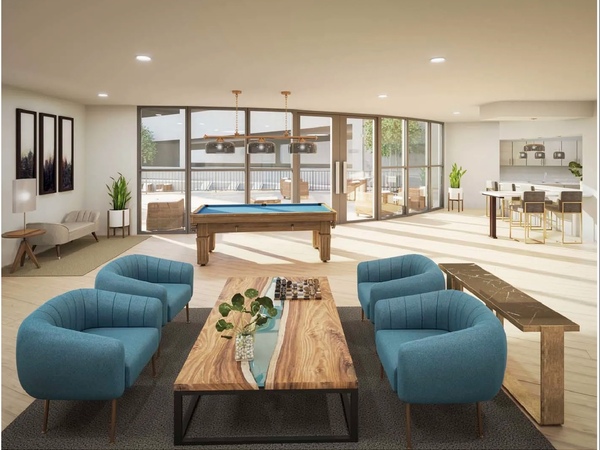
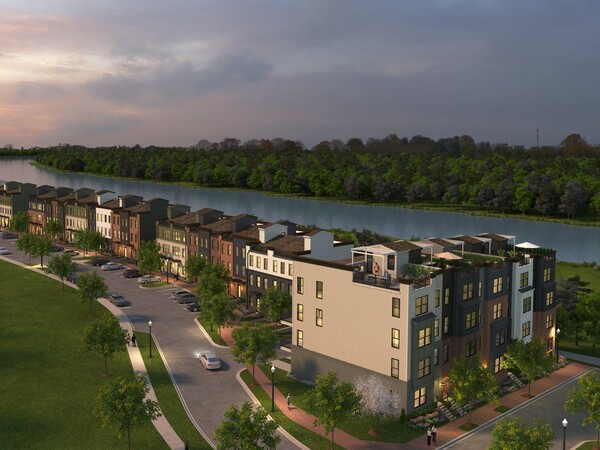
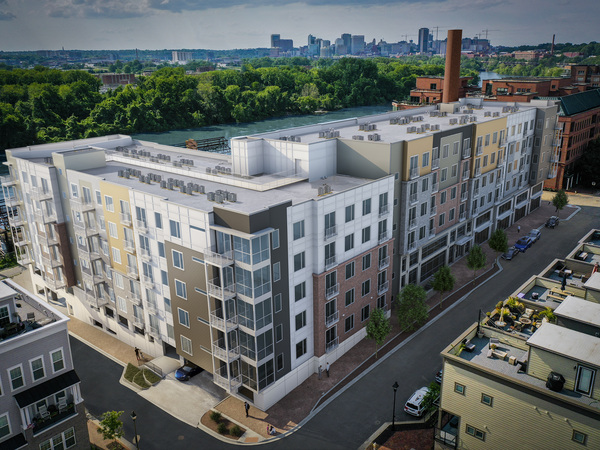
Looking for your next apartment? If river-view luxury living minutes from downtown Richmond is your style, then we have just the place for you! Welcome to The Waterford at Rocketts Landing. This 200-unit community is our newest addition and boasts modern features and plenty of amenities to make you feel right at home.
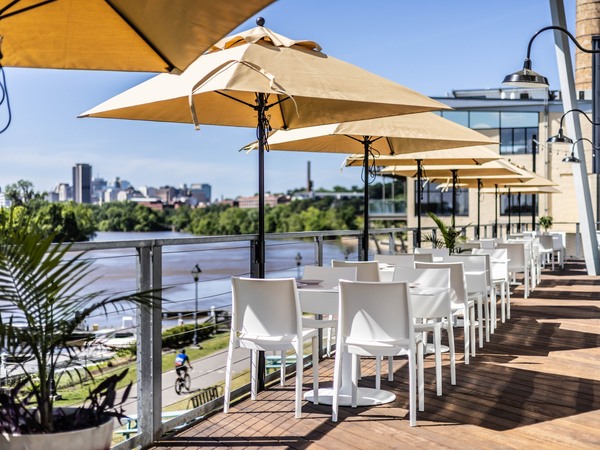
Seafood diners looking for a waterfront experience just gained a new destination: Island Shrimp Co. at Rocketts Landing. Located beside The Boathouse and in the former Conch Republic building, Island Shrimp Co. continues the tropical vibes of the building’s previous heyday. You’ll find vast waterfront views, tropical cocktails — and dishes like peel and eat shrimp, aloha pineapple boat, and more!
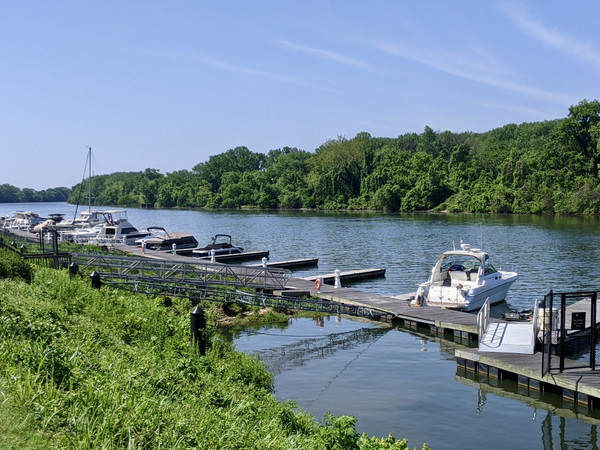
Are you a Rocketts Landing resident who enjoys boating and wants to explore how to get on the water without owning one? Freedom Boat Club is ready to help you find adventures on the river this summer! As the newest business in our community, Freedom Boat Club docks on the James River at Rocketts Landing to start their season this Memorial Day holiday. And they’re hosting a soft opening exclusive to our residents to help you discover all the club has to offer.
Get ready, Richmond! A new boat club is in town and ready to make your boating adventures a reality. Freedom Boat Club Northern Virginia is expanding their membership to Rocketts Landing. With the James River integral to our community, we’re excited to offer our residents and the Richmond region a new way to enjoy boating.
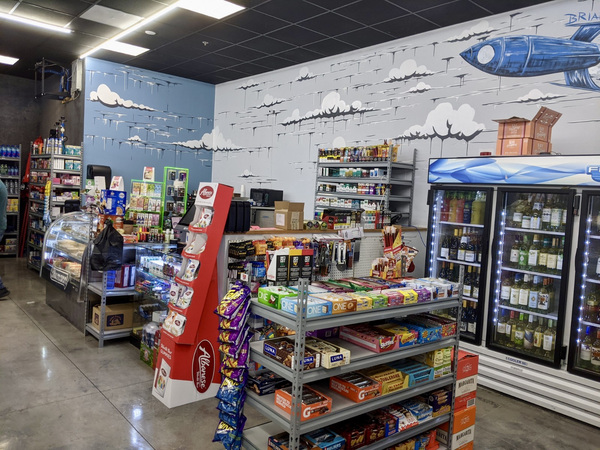
Get ready for a new, upscale retail store that’s here to add convenience to your life. Rocketts Market Café is the newest addition to our community, and we’re excited to provide our residents and neighbors with a great local shopping option. From fresh coffee drinks to a well-stocked market, we’re certain you’ll find what you need here at Rocketts Landing.
With a new year upon us, we’re pleased to share that we have opportunities to find your next home in our riverfront community. Whether you’re looking to rent an apartment or buy a condo, we have various options available to explore right along the James River.
As we all know, 2020 has been a year like no other. And here at Rocketts Landing, we’re thankful for all the residents and businesses who call our riverfront community home. While the holiday season may be a bit different this year, remember that every moment counts. And should you want some tasty seasonal and Christmas Eve meals — or help to ring in the New Year — our restaurants have you covered. Here’s a run-down of what you can expect, right along the river.
The holiday season is quickly approaching. While you and your family are preparing for a safe and fun celebration, delicious food is always a worthy tradition. And Rocketts Landing restaurants are ready to help. Whether Indian-inspired food or traditional classics are more your style, less cooking for you means more family time! So check out what’s happening this fall season right around the river.
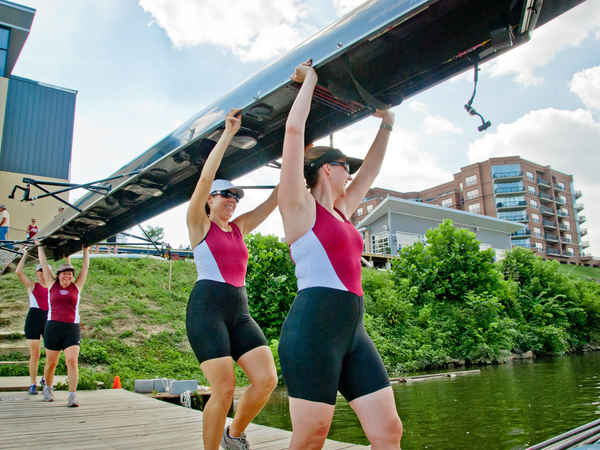
Since 1876, the Virginia Boat Club has been one of the go-to sports organizations for rowing. With this nonprofit organization’s headquarters located at Rocketts Landing, they’ve helped expand athletic activity in the East End. And despite the current pandemic, they’re still leading the way in helping Richmonders row.
Want to live in a community along the James River with modern style that’s close to downtown Richmond? The East 51 apartments at Rocketts Landing may be just what you’re looking for. And with units available for fall, now’s the time to check out what’s new right around the river.